If your high frequency wand is not working, switch it off and unplug it before you inspect anything, then check the simple causes in order: the plug goes straight into a working wall socket with no extension cord, power strip or timer, the electrode is fully seated, and the glass is undamaged. A dim glow or a quiet buzz on its own is often normal, but stop using the wand and contact the brand’s support team if it smokes, makes a loud noise, has a damaged cord, has been dropped or got wet, or still will not light after these checks; never open or repair it yourself.
Safety first: Do not use a high frequency wand if you have a pacemaker or any implanted electronic device, are pregnant, have epilepsy or a heart condition, or on broken, infected or inflamed skin. Do not use it in or near areas with metal implants, dermal fillers or other injectables. Use a water-based serum only if your manual suggests one, and keep the wand away from oil-based, alcohol-based or flammable products, because it can spark. This guide is educational, not medical advice. For ongoing acne, rosacea or other skin concerns, see a board-certified dermatologist.
The checks below use the NuDerma user manual as a typical example, not a recommendation. Other brands’ wands may differ, so read your own manual’s troubleshooting section first. For the whole routine from switch-on to cleanup, see how to use a high frequency wand at home.
The electrode is the glass tube attachment that slots into the wand’s opening on a metal base. It holds a gas: argon glows violet or blue-violet, neon glows orange-red. For the basics, see what a high frequency facial at home can realistically do.
What should you do before you inspect the wand?
Make it safe first:
- Turn the dial to off.
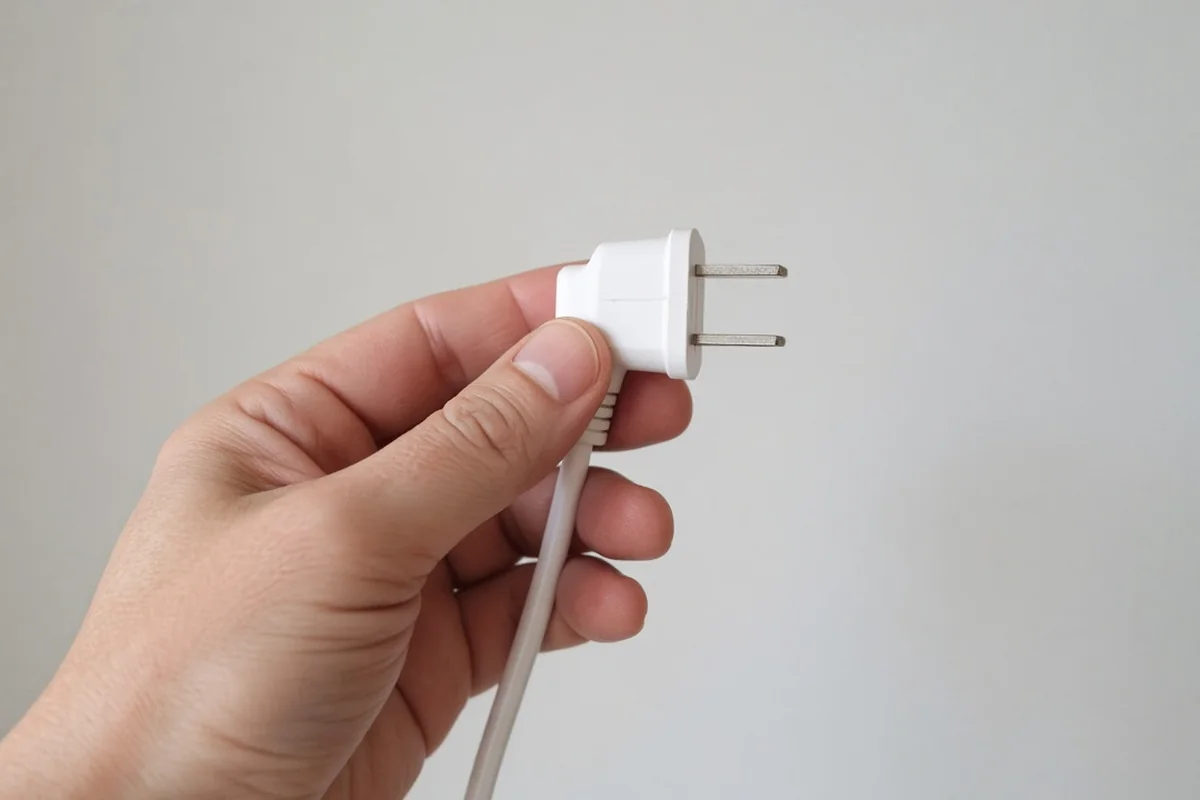
- Unplug the wand by gripping the plug, not the cable, as the manual instructs.
- Dry your hands.
- Set the wand on a dry, flat surface away from sinks, water and skin products.
The NuDerma manual says never to put fingers or objects other than the provided tubes into the wand, even when it is unplugged.
The quick checklist: what to try, in order
Work through these five checks in order, simplest first. None needs tools.
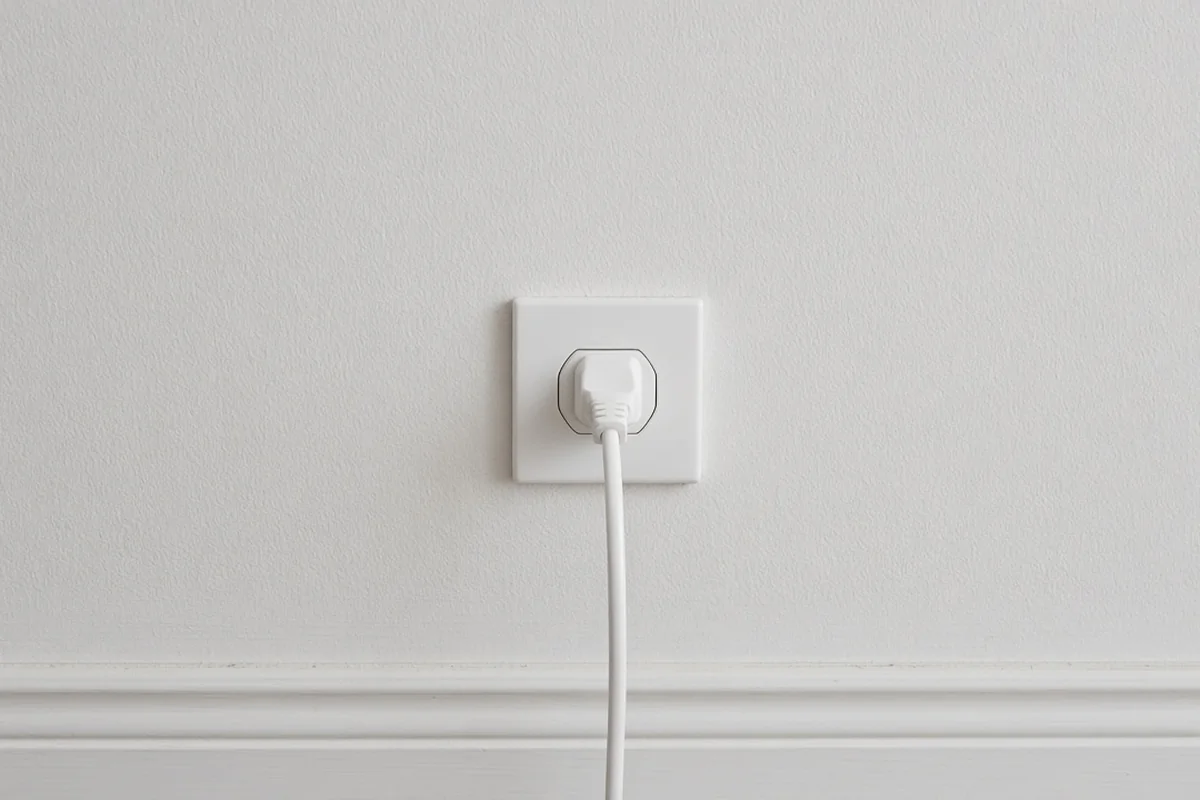
1. Power: is it plugged straight into a working wall socket?
How to check: Follow the cord. The plug should go directly into a wall socket, with no extension cord, power strip, timer or voltage adapter in between. Then plug a lamp you know works into the same socket.
What it usually means: The manual rules out sockets with an unstable supply and sockets likely to be turned off. If the lamp stays dark too, the socket is the problem.
The fix: Use another wall socket that works.
2. The dial: did it move from off to the lowest setting?
How to check: Make sure the dial actually left off. The manual says to switch on at the lowest setting with a finger on the glass tube.
What it usually means: A missed step. The order is: fit the electrode with the wand off, plug it straight into a wall socket, place a fingertip on the base of the glass, turn the dial from off to the lowest setting, then touch the glass to your skin.
The fix: Switch off and start again in that order. Stay at the lowest setting while you troubleshoot.
3. The electrode: is it fully seated?
How to check: With the wand off and unplugged, look at the metal base. It should sit fully in the opening, not partway out.
What it usually means: The manual says never to power the wand on before an attachment is inserted, and notes that some tubes slide in easily while others need firmer pressure. A tube only partly in is worth ruling out.
The fix: Holding the glass just above the metal base, push the tube straight in with firm, steady pressure, never extreme force. Use only electrodes the manual says fit: the NuDerma manual allows official NuDerma tubes only and warns that non-approved third-party tubes can damage the device and void the warranty.
4. The glass: is it undamaged and dry?
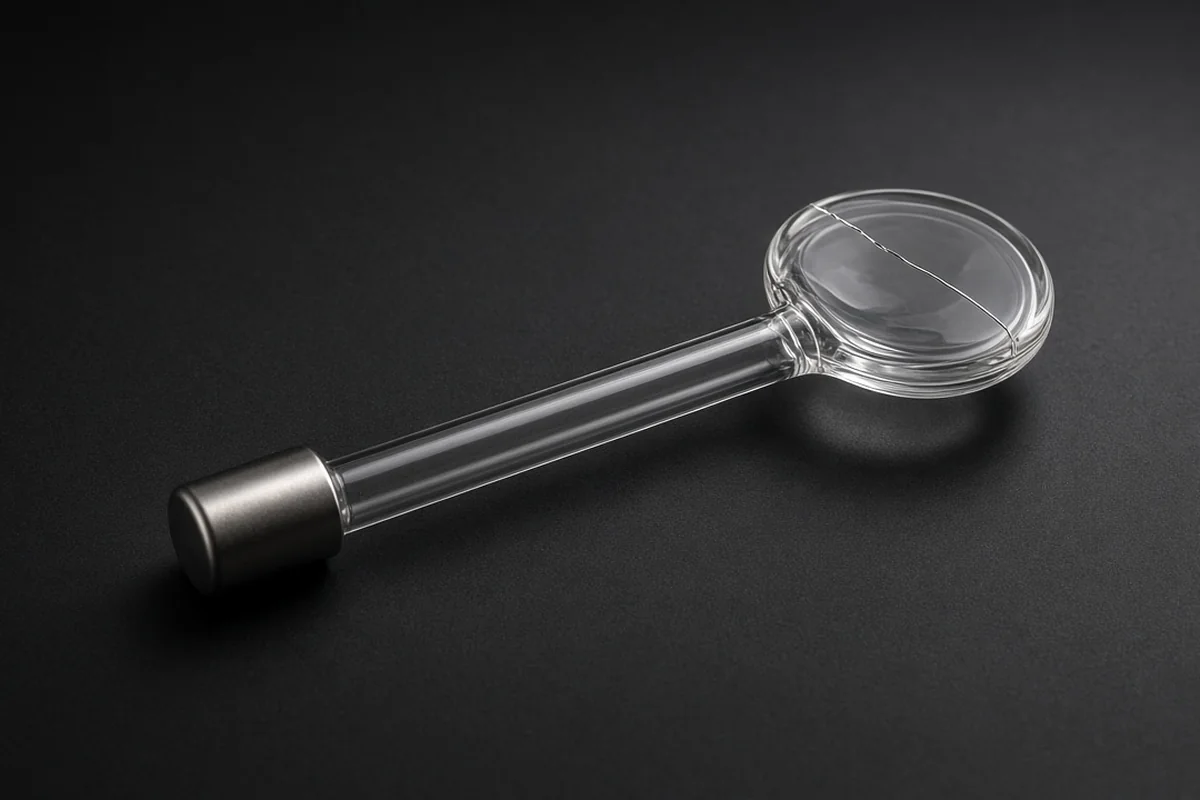
How to check: Look for cracks, chips or glass loose in its metal base. If just cleaned, it must be completely dry.
What it usually means: The manual says not to use any part that looks visibly damaged, so damaged glass is a reason to stop.
The fix: Set a cracked, chipped or loose electrode aside for good. After cleaning with a soft cloth and a little rubbing alcohol, let the glass dry completely before the wand goes on. Skin should be dry too, with only products that suit a wand; what to put on your skin before and after high frequency explains which.
5. Expectations: is it actually faulty?
How to check: Compare what you notice with the manual.
What it usually means: The NuDerma manual says a slight buzz or hum may or may not be heard, gets louder as the power level goes up and is quieter when the glass is not touching skin. You may or may not see the wand glow on your skin, and it is not uncommon for it not to glow brightly.
The fix: If checks 1 to 4 are fine, a dim glow or faint buzz is likely normal. Do not turn the dial up to chase a brighter glow; a brighter glow or louder buzz does not mean better results.
Why won’t my wand light up at all?
No glow at all usually traces back to the socket, the dial, the electrode or the glass, so go through checks 1 to 4 in order. If it still will not light, stop and contact the brand’s support team; the manual says not to use a wand that is not working as it should.
Why is the glow dim?
A dim glow is often normal, especially on skin, so a faint violet or orange-red light is not on its own a fault. Keep to the manual’s limits rather than pushing for more: it says not to exceed 5 minutes in any single session, to preserve the integrity of the gas inside the glass tubes. If a dim glow comes with flickering, new noises or damaged glass, those signs are the real problem, so stop.
Why does it flicker or cut out?
Stop: switch the wand off, unplug it by the plug and contact the brand’s support team rather than opening it.
The manual tells you not to use an unstable outlet or a power strip. If yours was on either, move to a working wall socket instead, and if it still flickers, do not keep using it.
Why does it buzz, crackle or zap?
A faint buzz that gets louder at higher settings is expected, per the manual. Crackling inside the handle or a loud new noise is not: switch off and unplug.
Small snaps when the glass lifts away from the skin or tilts onto its edge come from the electrode losing contact. Keep the glass flat while the wand is on, and switch off before lifting it.
What if the electrode is loose or stuck?
Switch off and unplug first. Hold the glass just above the metal base and move it straight in or out; never force it or pull at an angle. If a tube is stuck, or part of one is left in the opening, contact the support team rather than removing fragments yourself, as the manual instructs.
What if it smells of burning, smokes or the cord is damaged?
Unplug it safely by the plug and do not use it again until the brand’s support team has advised you. The manual says not to attempt to repair a damaged cord or adaptor.
What if your skin reacts?
A skin reaction is not a device fault, but it is a reason to stop. If your skin shows any reaction the NuDerma manual lists (an allergic response, swelling, skin discoloration, extreme redness, hyperpigmentation or unusual pain), stop using the wand, and see a board-certified dermatologist if it persists or you are unsure. See who should not use a high frequency wand, what high frequency can and cannot do for skin concerns and the medical disclaimer.
When should you stop using it and contact the brand?
Per the manual, stop and contact the brand’s support team if:
- it smokes, makes a loud noise or looks visibly broken
- the cable, cord or adaptor is frayed or damaged
- it has been dropped, damaged, left outdoors or has come into contact with water
- part of a tube or another object is stuck in the opening
- it is still not working as it should after the checklist
In every case, do not dismantle or repair it yourself.
Is there a safe workaround if it still won’t work?
No. A wand that will not work is never a reason to use a different power setup (an extension cord, power strip, timer or voltage adapter), a third-party tube the manual does not allow, or a home repair. With a new wand, follow its own manual from the first switch-on. For home safety and what safety marks can tell you, read is a high frequency wand safe to use at home?
FAQ
Can I plug my wand into an extension cord or power strip?
No. The NuDerma manual says to plug straight into a wall socket, with no extension cord, voltage adapter, power strip or timer.
Should I turn the dial up if the glow looks faint?
No. A dim glow is often normal, and a brighter glow or louder buzz does not mean better results. Stay at the lowest setting while you troubleshoot.
Is it safe to keep using a wand that flickers?
No. Switch it off, unplug it by the plug and contact the brand’s support team rather than opening it.
Can I use a different brand’s electrode if mine cracked?
Only if your manual says it fits. The NuDerma manual allows official NuDerma tubes only, warning that third-party tubes can damage the device and void the warranty.
What should I do if my wand got wet or was dropped?
Do not use it; contact the brand’s support team. The manual says not to use a wand that has been dropped, damaged, left outdoors or has come into contact with water.
This article is for general educational purposes and is not medical advice.